The post Winter + Ayurveda Lifestyle Tips first appeared on Maria Garre.
The post Winter + Ayurveda Lifestyle Tips appeared first on Maria Garre.
]]>Winter is a time of profound introspection, nourishment, and rejuvenation. In Ayurveda, this season holds immense significance as the body and mind are naturally drawn inward, mirroring the cosmic and planetary rhythms. As the Northern Hemisphere experiences longer nights, cooler temperatures, and the peak influence of the moon, the ancient science of Ayurveda provides a detailed guide—Rtucharya—to align our diet, lifestyle, and habits with the qualities of winter to ensure optimal health, vitality, and spiritual growth.
The Wisdom of Winter: A Cosmic Perspective
The winter season begins with the Winter Solstice, the darkest day of the year, and is marked by the moon’s strongest nurturing energy. From the Charaka Samhita to modern Ayurvedic thought, winter is seen as a time when Brmhana gunas (building and fortifying qualities) dominate, offering us the perfect opportunity to replenish and rejuvenate our physical and mental reserves. The digestive fire, jathara agni, moves inward, becoming stronger, which increases our appetite and ability to process heavy, nourishing foods.
From January to February, during Shishira Ritu (late winter), the sun begins its northward journey (Uttarayana), gradually removing strength and moisture. This natural shift underscores the importance of following seasonal practices that maintain balance by harmonizing the qualities of winter with appropriate diet, exercise, and lifestyle habits.
Understanding Winter Attributes: Vata and Kapha Influence
Winter embodies the combined qualities of Vata and Kapha doshas, marked by:
- Longer nights and shorter days
- Cold, heavy, and moist conditions
- Peak darkness and slower energy
- Stronger agni, leading to enhanced digestion and internal strength
The “like increases like” principle guides us to balance these attributes by incorporating opposing qualities in our daily lives. For instance, cold and heavy conditions can be counterbalanced by warmth, lightness, and movement.
Dietary Practices for Winter
Winter’s cold and heavy qualities call for warm, nourishing, and grounding foods that pacify Vata and Kapha doshas while enhancing digestion. Ayurveda emphasizes incorporating all six tastes in every meal, with a focus on sweet, sour, and salty flavors during this season.
Recommended Foods
- Favor: Root vegetables, whole grains, ghee, milk, nuts, seeds, and warm stews or soups. Red wine in moderation may also help maintain digestive fire and eliminate excess mucus.
- Avoid: Cold drinks, raw foods, and excessive amounts of bitter, astringent, and pungent foods.
Spices to Enhance Agni: Incorporate warming spices like ginger, cinnamon, black pepper, cumin, and nutmeg to improve circulation, maintain digestive strength, and eliminate toxins.
Winter Recipe:
Prepare a winter tea by boiling half a teaspoon of ginger and cinnamon with a pinch of clove. Sip this tea an hour after meals to support digestion and prevent Kapha accumulation.
Lifestyle Recommendations for Winter
Winter is a time for slowing down, conserving energy, and nourishing the body and mind. Align your lifestyle with these practices:
Daily Routine (Dinacharya):
- Oiling Practices: Perform daily Abhyanga (self-oil massage) with warm sesame or Mahanarayan oil to enhance circulation and protect the skin from dryness. Use Nasya oil to lubricate nasal passages and prevent congestion.
- Warm Clothing: Protect yourself from cold with hats, scarves, and gloves. Bright colors like red and orange can uplift your mood and energy.
- Outdoor Activities: Spend time in sunlight to absorb solar energy and maintain emotional balance.
Exercise and Yoga:
Physical activity should reflect the strength of the season:
- Use moderate to strong indoor exercises like weight training or cardiovascular workouts to build muscle strength.
- Include heat-building and strength-enhancing yoga postures like Ustrasana (Camel Pose), Matsyasana (Fish Pose), and Urdhva Dhanurasana (Wheel Pose).
- Practice invigorating pranayama techniques like Bhastrika and Surya Bhedana to clear excess Kapha and warm the body.
Rest and Rejuvenation:
- Prioritize sleep by going to bed early (by 10:30 PM) and waking up before sunrise. This supports the body’s natural rhythm and allows you to harness the nourishing qualities of winter.
- Use this time for introspection, journaling, or reading to cultivate inner peace and clarity.
Rasayana (Rejuvenation Practices):
Winter is an ideal time to focus on Rasayana, which enhances vitality and immunity:
- Herbs: Take Chyawanprash, a rejuvenating jam, every morning to strengthen immunity and prevent winter ailments. Ashwagandha with warm milk is another excellent tonic to support energy and resilience.
- Pippali Rasayana: Boil 5–7 dried pippali fruits (long pepper) in half a cup each of milk and water. Drink this decoction before bedtime to strengthen respiratory health and digestion.
Spiritual and Emotional Well-Being
The inward pull of winter naturally encourages self-reflection and spiritual growth. This is a time to align with nature’s rhythm by slowing down and fostering mindfulness:
- Practice meditation and pranayama to cultivate inner stillness.
- Engage in uplifting social activities to counter feelings of loneliness or lethargy.
The Charaka Samhita beautifully captures the essence of winter:
“During the cold winter, the digestive power of human beings possessing good health (strength) is enhanced… When it does not get proper fuel, the digestive fire affects the nutritive fluids, resulting in the vitiation of Vata.”
Summary of Winter Rtucharya
Winter, governed by the interplay of Vata and Kapha doshas, offers us a profound opportunity to rebuild, rejuvenate, and connect with our inner selves. By following Ayurvedic practices, we can honor the cosmic rhythms of the season while nurturing our physical and spiritual well-being.
- Diet: Focus on warm, nourishing, and grounding foods with sweet, salty, and sour tastes.
- Lifestyle: Incorporate daily oil massages, moderate exercise, and adequate rest.
- Yoga: Strengthen the body with heat-building asanas and pranayama.
- Rasayana: Use herbal tonics like Chyawanprash and Ashwagandha to boost immunity and vitality.
As Dr. Vasant Lad eloquently states, “Keep calm, keep warm, and be happy with good company.” By embracing the wisdom of Rtucharya, we can make winter a time of strength, joy, and spiritual renewal.
Quote from the Charaka Samhita:
“The Earth is relieved of its heat… and human beings also progressively grow in strength.” (VI:7)
Let winter be a season of self-care, inner growth, and harmonious living.
Activate these principles and get EXPERT ADVICE.
Book a CONSULTATION WITH MARIA
The post Winter + Ayurveda Lifestyle Tips first appeared on Maria Garre.
The post Winter + Ayurveda Lifestyle Tips appeared first on Maria Garre.
]]>The post Cucumber – Hydration SuperStar first appeared on Maria Garre.
The post Cucumber – Hydration SuperStar appeared first on Maria Garre.
]]>Stay Cool and Hydrated This Summer with the Amazing Cucumber
Summer is here, and the heat can be intense! But nature has a refreshing solution for us: the humble cucumber. This cool, green veggie is packed with benefits that go way beyond just being a tasty addition to your salad. Let’s dive into why cucumbers are your summer’s best friend.
The Hydration Superstar
Cucumbers comprise about 95% water, making them one of the most hydrating foods you can eat. Staying hydrated is crucial, especially in the summer when we lose fluids through sweat. Dehydration can lead to fatigue, headaches, and even heatstroke. Munching on cucumbers helps keep your body’s water levels topped up, supporting everything from your metabolism to your physical energy.
Nature’s Cooling Agent
Ever noticed how a slice of cucumber on your eyes feels instantly soothing? That’s because cucumbers have a natural cooling effect. In Ayurveda, they’re considered a cooling food that helps balance the Pitta dosha, an energy associated with heat and inflammation. When Pitta gets out of balance in summer, you might feel overheated or irritable. Cucumbers to the rescue!
Packed with Nutrients, Not Calories
Cucumbers are low in calories but surprisingly high in vitamins and minerals. Here’s a quick rundown:
- Vitamin K: Important for blood clotting and strong bones.
- Vitamin C: An antioxidant that boosts your immune system and keeps your skin glowing.
- Potassium: Helps regulate fluids, muscle function, and nerve signals.
Anti-Inflammatory Powerhouse
Cucumbers contain antioxidants like flavonoids and tannins. These compounds help fight inflammation in your body, protecting your cells from damage. Chronic inflammation is linked to many health issues, so eating anti-inflammatory foods like cucumbers is a smart move.
Your Skin’s Summer Secret
The high water content in cucumbers, along with silica, makes them a natural skin booster. They help keep your skin hydrated and supple, which is essential in the drying summer heat. Plus, applying cucumber slices can reduce puffiness and soothe irritated skin. Hello, DIY spa day!
Weight-Loss Friendly
Trying to shed a few pounds? Cucumbers are your perfect snack. They’re low in calories and high in fiber, which helps you feel full and satisfied. This means you’re less likely to reach for unhealthy snacks when hunger strikes.
Happy Digestion
Cucumbers contain soluble fiber, which is great for your digestive system. It keeps things moving smoothly and prevents constipation. Plus, the fiber helps regulate blood sugar levels, which is beneficial for everyone, especially those with diabetes.
Detoxifying Wonder
All that water in cucumbers helps flush out toxins from your body. They also support liver function, which is key for natural detoxification. So, if you’ve overindulged a bit, cucumbers can help your body reset.
Good for Your Heart
The potassium and magnesium in cucumbers contribute to healthy blood pressure levels, which are essential for a strong heart. The fiber content also helps lower cholesterol, further supporting cardiovascular health.
How to Enjoy Cucumbers
There are endless ways to enjoy cucumbers beyond just slicing them for a salad. Here are a few ideas:
- Cucumber Salad: A classic for a reason! Combine with tomatoes, onions, and a light dressing.
- Infused Water: Add cucumber slices to your water with mint and lemon for a refreshing twist.
- Smoothies: Blend cucumbers into your green smoothies for extra hydration and nutrients.
- Snacks: Dip cucumber slices in hummus or other dips for a healthy and satisfying snack.
An Ayurvedic Perspective
In Ayurveda, cucumbers are seen as cooling and balancing, especially for the Pitta dosha. They’re ideal for summer when Pitta can become aggravated. Cucumbers help cool the body, reduce inflammation, and promote overall harmony.
Embrace the Cucumber Craze
So there you have it – cucumbers are more than just a crunchy salad ingredient. They’re a hydrating, cooling, and nutrient-packed powerhouse that can benefit your whole body. This summer, include plenty of cucumbers in your diet and enjoy their refreshing goodness!
The post Cucumber – Hydration SuperStar first appeared on Maria Garre.
The post Cucumber – Hydration SuperStar appeared first on Maria Garre.
]]>The post Seven Ayurvedic Secrets for Summer first appeared on Maria Garre.
The post Seven Ayurvedic Secrets for Summer appeared first on Maria Garre.
]]>
As the summer sun blazes, bringing warmth and vitality, it also challenges our inner balance and well-being. The longer days offer more light and brightness, but the stronger sun and increased humidity can sap our strength.
According to Ayurveda, the ancient science of life and longevity, summer is governed by the Pitta dosha, characterized by the fiery elements of fire and water. When Pitta becomes aggravated, it can lead to imbalances such as excessive heat, irritability, and digestive discomfort. Fortunately, Ayurveda offers a wealth of wisdom to help us stay cool, calm, and collected.
Here are seven Ayurvedic secrets to maintain your balance this summer:
1. Embrace Cooling Pranayama
Incorporating cooling breathwork and gentle yoga into your daily routine is essential during summer. Pranayama techniques like Sheetali, Sheetkari, Chandra Bedhana, and longer exhales help reduce internal heat and calm the mind. These breath practices lower Pitta Dosha, the fire and oily biology of the body, and promote relaxation and rejuvenation. Starting your morning with Prana (life force) is particularly beneficial during the hot summer months.
2. Stay Hydrated with Ayurvedic Drinks
Proper hydration is crucial to counter the drying effects of the summer heat. Ayurvedic hydration methods go beyond plain water. Try Ayurvedic Gatorade made with water, a pinch of raw sugar, salt, and lime. Another refreshing option is Hydration Tea, a blend of limes, Tulsi tea, salt, turbinado sugar, and kundalini tea. For a cooling delight, prepare a “Cucumber Refresher” with purified water, cucumber slices, lemon, and mint leaves. These beverages help replenish electrolytes and keep you cool.
3. Follow a Pitta-Pacifying Diet
Your diet plays a significant role in managing Pitta dosha. Focus on foods that are sweet, bitter, and astringent. Incorporate cooling fruits and vegetables like coconut water, watermelon, leafy greens, cucumber, and pomegranate into your meals. Spices such as fennel, coriander, and cardamom also have cooling properties. Avoid pungent, salty, and sour foods like tomatoes, chili peppers, and fermented items. Opt for lighter meals to aid digestion, which tends to weaken in the summer heat.
4. Engage in Light, Cooling Exercise
Physical activity is vital, but it’s important to adapt your exercise routine to the season. Engage in light, cooling exercises such as Pitta-balancing yoga, Tai Chi, walking, swimming, and hiking. Avoid vigorous activities that generate excess heat, such as power yoga, hot yoga, long-distance running, or marathons, especially during the hottest parts of the day. Early morning or evening workouts are ideal.
5. Use Cooling Essential Oils and Aromatherapy
Essential oils can be powerful allies in balancing Pitta. Scents like sandalwood, rose, lavender, jasmine, lotus, and gardenia have cooling and soothing effects. Keep a rose water mist handy to refresh your face and body throughout the day. Opt for cool baths utilizing milk and rose petals for a more calming and tranquil effect.
6. Enjoy the Early Morning Time of the Day
Rising with the first light is the best time to absorb the sun’s healing energy. Most of the day, we hide from the hot, intense sun, but the morning light is sattvic, pure, and holy. Nourish your eyes with the pure, golden light of the rising sun. Sit facing the east and welcome the rising sun each morning. Enjoy the coolness of the early morning while welcoming the hot, shining Surya (sun).
7. Adopt a Cooling Daily Routine
Establish a daily routine that emphasizes cooling and calming activities. Begin your day with gentle yoga asanas, including Chandra Namaskar. Spend time outdoors in the early morning or late evening to avoid peak heat. Practice cooling pranayama like Sheetali or left-nostril breathing in the morning. Give yourself a slow, loving full-body massage with Pitta massage oil, coconut oil, or sunflower oil before showering. Wear light, breathable fabrics in cool colors like white, blue, and green to further enhance your comfort.
By embracing these Ayurvedic secrets, you can navigate the summer season with grace and ease. Remember, Ayurveda is about harmony and understanding your unique nature. With these insights, you can enjoy the vibrant energy of summer while maintaining inner peace and well-being. Stay cool, stay balanced, and let Ayurveda guide you through the summer months.
Need Support? Let’s work together and create your, unique summer lifestyle plan to fit your needs and goals.

The post Seven Ayurvedic Secrets for Summer first appeared on Maria Garre.
The post Seven Ayurvedic Secrets for Summer appeared first on Maria Garre.
]]>The post Best Menses Ever with Ayurveda first appeared on Maria Garre.
The post Best Menses Ever with Ayurveda appeared first on Maria Garre.
]]>Ayurveda transformed my perspective, helping me understand the gifts of this fertile process. It teaches that our reproductive years offer us a monthly opportunity to connect, align, and balance.
Menstruation is a significant aspect of a woman’s life, and Ayurveda offers a holistic approach to ensure each cycle supports health, balance, and rejuvenation. With its emphasis on natural healing and maintaining harmony within the body, Ayurveda provides valuable insights and practices for menstrual support.
Ayurveda taught me that menstruation is a period for self-care and nurturing, rather than pushing myself. It’s a time to allow the body to release, let go, and empower the uterus to do its job. The beauty lies in recognizing this as a time to slow down, honor the process, and not impede the natural downward flow.
Ayurveda emphasizes that the key to a healthy cycle lies in how you live your life between periods. Many of us try to address issues during menstruation, but Ayurveda teaches us that lifestyle and diet choices throughout the month are crucial for achieving optimal menstrual health.
Understanding Menstruation in Ayurveda
In Ayurveda, menstruation isn’t just a biological process; it reflects a woman’s overall health and balance. The menstrual cycle is influenced by the three doshas: Vata, Pitta, and Kapha, each playing a role at different stages. It’s a valuable opportunity for self-assessment and understanding your body’s needs.
- Vata Dosha: Predominates during the first 1–5 days of the cycle. Vata’s dry and mobile qualities facilitate the shedding of the uterine lining.
- Kapha Dosha: Takes over from day 6–15 as the uterine lining rebuilds, characterized by its nourishing and lubricating qualities.
- Pitta Dosha: Dominates from day 15–28, governing the heat and transformation needed to prepare for potential pregnancy or shedding of the lining.
Characteristics of Healthy Menses
According to Ayurveda, a healthy menstrual cycle exhibits these qualities:
- Color: Bright red
- Consistency: Not too thick or thin
- Duration: Typically 4–5 days
- Flow: Moderate, without clotting or excess
- Odor: Natural, non-foul
- Symptoms: Minimal PMS, with mild cramping, low energy, and slight mood swings
Common Menstrual Imbalances and Ayurvedic Support
Vata Imbalance
- Symptoms: Irregular cycles, scanty flow, constipation, lower back pain, anxiety, insomnia
- Remedies:
- Diet: Warm, moist, grounding foods like stews and soups. Avoid cold, dry, and raw foods.
- Lifestyle: Regular routines, prioritize deep sleep, and practice warm sesame oil self-massage on the lower back.
Pitta Imbalance
- Symptoms: Heavy bleeding, shorter cycles, irritability, acne, inflammation
- Remedies:
- Diet: Cooling, soothing foods like bitter greens and aloe vera. Avoid spicy, oily, fried foods.
- Lifestyle: Avoid overexertion and overheating. Prioritize relaxation, practice surrender, and apply neem oil to your feet at bedtime.
Kapha Imbalance
- Symptoms: Prolonged periods, thick/sticky blood, weight gain, depression
- Remedies:
- Diet: Light, warm, dry foods. Avoid dairy, sweets, and fatty foods.
- Lifestyle: Regular exercise to induce sweating, dry brushing, and avoid oversleeping or napping during the day.
Ayurvedic Practices for Optimal Menstrual Health
- Dinacharya (Daily Routine): Establish a consistent daily routine, rising early and aiming for bed by 10 pm for deep, restful sleep. This helps regulate your body’s natural rhythms and supports hormonal balance.
- Diet: Pay attention to your digestion and how different foods affect you. Ayurveda emphasizes eating for your unique needs. During menstruation, favor simple, easy-to-digest meals like kitchari (a nourishing rice and lentil dish). Keep your food and drinks simple and wholesome throughout your cycle.
- Hydration: Sip warm water throughout the day to aid digestion and gently detoxify your body. Think of warm water as your ally in maintaining balance and comfort.
- Exercise: Regular physical activity like yoga, walking, and light aerobics supports overall health. However, avoid strenuous exercise, yoga, or breathwork during menstruation to honor your body’s need for rest.
- Stress Management: Incorporate meditation, pranayama (breathing exercises), and gentle yoga into your routine to promote relaxation and emotional well-being. These practices are especially helpful for managing stress, which can impact menstrual health.
Specific Ayurvedic Tips Between Menses
- Pranayama and Yoga: These practices can be incredibly supportive between periods:
- Anuloma Viloma (Alternate Nostril Breathing): Balances Vata and calms the mind.
- Brahmari (Bee Breath): Reduces stress and anxiety.
- Kapalabhati (Skull Shining Breath): Invigorates digestion and supports reproductive organs.
- Sheetali (Cooling Breath): Reduces inflammation, irritation, and excess heat.
- Yoga Asana: Bhujangasana (Cobra), Balasana (Child’s Pose), Setu Bandhasana (Bridge), Naukasana (Boat), and Mayurasana (Peacock) can be beneficial.
- Self-Massage (Abhyanga): Before bathing, indulge in a warm sesame oil self-massage. This nourishes your tissues, improves circulation, and calms the nervous system. Follow with a steam or hot bath for added relaxation. Avoid abhyanga during menstruation.
- Herbal Teas: Enjoy these soothing teas, especially during menstruation:
- Ginger: Aids digestion and eases cramps.
- Fennel: Reduces bloating and supports digestion.
- Chamomile: Promotes relaxation and restful sleep.
Conclusion
Ayurveda offers a holistic and personalized approach to menstrual health, emphasizing the importance of balance, natural remedies, and mindful living. By understanding your doshas and incorporating these Ayurvedic practices, you can experience greater harmony, comfort, and vitality throughout your cycle. Embrace the wisdom of Ayurveda to nurture your menstrual health and overall well-being.
Note: Consult an Ayurvedic practitioner for personalized guidance and recommendations tailored to your specific needs. I would be honored to work with you!
The post Best Menses Ever with Ayurveda first appeared on Maria Garre.
The post Best Menses Ever with Ayurveda appeared first on Maria Garre.
]]>The post Best Menopause Ever: Embracing a Transformative Journey first appeared on Maria Garre.
The post Best Menopause Ever: Embracing a Transformative Journey appeared first on Maria Garre.
]]>I have supported women through one-on-one consultations in menopause for more than a decade. Many variations and imbalances came through my clinical practice. But I knew that once I went through this transition, I could more deeply offer insight and support from a more personal level. And what I know is that it is a powerful journey for us to look inside, check-in, let go, and rebirth in a whole new way.
Menopause is a natural biological process that marks the end of a woman’s reproductive years. It’s often viewed with fear and apprehension, associated with uncomfortable symptoms like hot flashes, mood swings, and sleep disturbances.
However, Ayurveda, the ancient Indian system of medicine, offers a different perspective. It sees menopause not as a medical condition to be treated, but as a natural transition, a sacred phase of life that presents an opportunity for women to reconnect with themselves and realign with their core essence.
The Ayurvedic Perspective on Menopause
In Ayurveda, menopause is considered a Vata-dominant phase. Vata, one of the three doshas or energies that govern our body and mind, is associated with air and space elements. As we age, Vata naturally increases, leading to dryness, irregularity, and a sense of instability—qualities often experienced during menopause.
However, by understanding our unique constitution and current imbalances, we can make lifestyle choices that pacify Vata and restore harmony. Ayurveda’s guiding principle of individual constitution (prakruti) offers a paradigm shift for menopause. Who we are, the unique make-up of our body, and our current state come together to offer natural, aligned solutions to what ails us. And the fix will work just for you. Ayurveda is strongly principled in individualized medicine.
Establishing a Grounding Routine
Ayurveda emphasizes the importance of dinacharya, or daily routines, for overall well-being. During menopause, establishing a consistent routine can provide a sense of grounding and stability amidst the changes. Transitional periods are a time to mind the shift and flow from one to the next, like a sunset or sunrise.
Ideally, our day should begin with waking up early, allowing time for inner contemplation, polishing our prana, and toxin release. Allowing the body to let go of metabolic waste and toxins is important as these channels allow the body to not accumulate waste. Ayurveda recommends daily release of toxins through feces, urine, and sweat.
Morning routines could include oil pulling to detoxify the mouth, tongue scraping to remove toxins, and drinking warm water to kickstart digestion. Gentle yoga and pranayama (breathing exercises) can help to balance Doshas and prepare the mind and body for the day ahead.
Nourishing the Body with Ayurveda
Nutrition plays a vital role in managing menopausal symptoms. Ayurveda recommends a Vata-pacifying diet rich in warm, cooked foods and healthy oils. Avoiding dry, cold, and raw foods can help alleviate Vata imbalances. However, understanding what is best to eat and when depends upon our constitution, current imbalance, and seasonal effects.
For example, I love tuna and live next to the ocean where fresh tuna is readily available. But menopause has changed my digestive tolerance to pitta-aggravating foods (per my prakruti). So I must moderate and properly combine foods within the meal to enjoy the tuna. I need to check in and ensure I have the digestive capacity to support the choice.
Menopause is a time of profound transformation, a journey back to our true selves.
Ayurvedic Herbs and Supplements
In addition to dietary adjustments, certain Ayurvedic herbs can be highly beneficial during menopause. Ashwagandha is known for its adaptogenic properties, helping to reduce stress and balance hormones. Shatavari supports reproductive health and hormonal balance. Licorice root can soothe inflammation and support adrenal health. Consulting with an Ayurvedic practitioner can help determine the best herbs and supplements for your unique needs.
Ayurvedic Body Care Practices
Ayurvedic body care practices are another aspect I admire about Ayurveda. Various practices can support the transition and discomforts that come with menopause. From nourishing options for lubrication and removing toxins to Ayurvedic body care therapies, there are many options. For many, Abhyanga (self-massage with warm oil) and Swedana(herbal steam therapy) can be incredibly beneficial during menopause. These practices nourish the body, promote relaxation, and improve circulation, helping to manage symptoms like dryness, joint pain, and anxiety.
Incorporating Nasya (nasal oil administration) can help lubricate the nasal passages and calm the mind, which is particularly useful if sleep disturbances are a concern. Different types of Basti (targeted medicated teas and oi)can also be considered under the guidance of an Ayurvedic practitioner to help balance Vata and cleanse the colon.

Embracing Menopause as a Transformative Journey
Menopause is a time of profound transformation, a journey back to our true selves. By embracing Ayurvedic wisdom, we can navigate this transition with grace and ease, finding balance and well-being in body, mind, and spirit. It’s an opportunity to shed old patterns, cultivate self-care practices, and emerge as a radiant, empowered woman.
My Personal Menopause Journey
In some ways, it felt like my body was humming along and all was relatively well. Then it wasn’t. My body was telling me in various ways that change was needed. Things needed to change. Rather than resist, I dove in to find resistance and expansion all at the same time.
I am rebirthing in ways I did not expect ten years ago and realizing that there’s no one way or one herb or one fix because it is a dynamic resolve to acquire balance and health.
What has helped me most is challenging my body physically and releasing the “you are aging” mentality, instead choosing to impress myself. My culture loves red wine, but my pitta liver does not, so if I indulge, it is mindfully. Ghee is my best friend for both cooking and for herbal intake and topical nourishment. It is more my mind than hormones. Hormonal changes are there, but must be balanced, not chaotic, through transition.
Conclusion
Menopause can indeed be the best time of our lives if we approach it with the right mindset and tools. By integrating Ayurvedic principles into our daily routines, we can transform this phase into a period of renewal and empowerment. Let’s honor this transition and embrace the journey to our most authentic selves.
Need some help figuring it out? Book a session and let’s talk to figure out the best lifestyle plan for your now.
The post Best Menopause Ever: Embracing a Transformative Journey first appeared on Maria Garre.
The post Best Menopause Ever: Embracing a Transformative Journey appeared first on Maria Garre.
]]>The post Ustrasana for December first appeared on Maria Garre.
The post Ustrasana for December appeared first on Maria Garre.
]]>Calms excess Vata and releases stagnant Kapha
Let me guide your December asana practice. It can be challenging to decide how to practice Yoga at home. Although you’re familiar with the poses, determining the optimal sequence and timing may be uncertain. Through the support of Ayurvedic Yoga, December is the perfect month to focus on Ustrasana as it targets the two Doshas, Vata and Kapha, that we are seeking to balance.
Ustrasana, also known as the Camel pose, is a powerful backbend that stretches the entire front of the body. It opens up the chest, shoulders, and throat, releasing tension and promoting deep relaxation. The pose also brings healing to the cardiopulmonary, digestive, and nervous system.
Grounding through the femur and pelvis, activating the spine, expands the chest and throat. But as we near the Winter Solstice, the ancient teachings tell us that it’s time to dissolve all these ego-affirming, attaching activities. Come to the light of the heart and let go of all the attachments.
In addition to its physical benefits, Ustrasana has a profound impact on the energetic body. As we arch back and open our chest, we create space for emotional release and healing that is useful as we near the end of a Solar Cycle. With regular practice, Ustrasana can help us cultivate a sense of inner strength and resilience, transforming not just our physical health, but our overall well-being.
Therefore, as you enter this month of December, let us embrace Ustrasana as a powerful tool for finding balance and nourishing both our body and our spirit. Let us bring awareness to the breath, surrender to the pose, and allow ourselves to be supported by the wisdom of Ayurvedic Yoga. Together, let us embark on this journey of healing and transformation.
How to prepare the body for Ustrasana
Ustrasana requires a flexible spine, stable sacrum, and strong legs. Surrender to ease and grace.
ANATOMY >>> The focus is to strengthen your back muscles (erector spinae, posterior deltoid, trapezius, rhomboid, latissimus dorsi, hamstrings) while at the same time open through the obliques, diaphragm, pectoralis, anterior deltoid, and psoas)
TO OPEN AND STRETCH: The best way to learn how to do this for yourself is to mimic the shape and keep deepening moving in the same direction in stages, and progression.
> In simple Surya Namaskar – you can prepare when you stand and lift your arms over the head and bend back (Urdhva Hastasana), in lunge (Anjaneyasana) extend and open the front of the torso and stretch into your back thigh. In the cobra (Bhujangasana), work on strengthening the spine by lifting without the arms/hands at first to feel the muscles of extension while at the same breath relaxing and expanding toward the heart, ribs, and sternum.
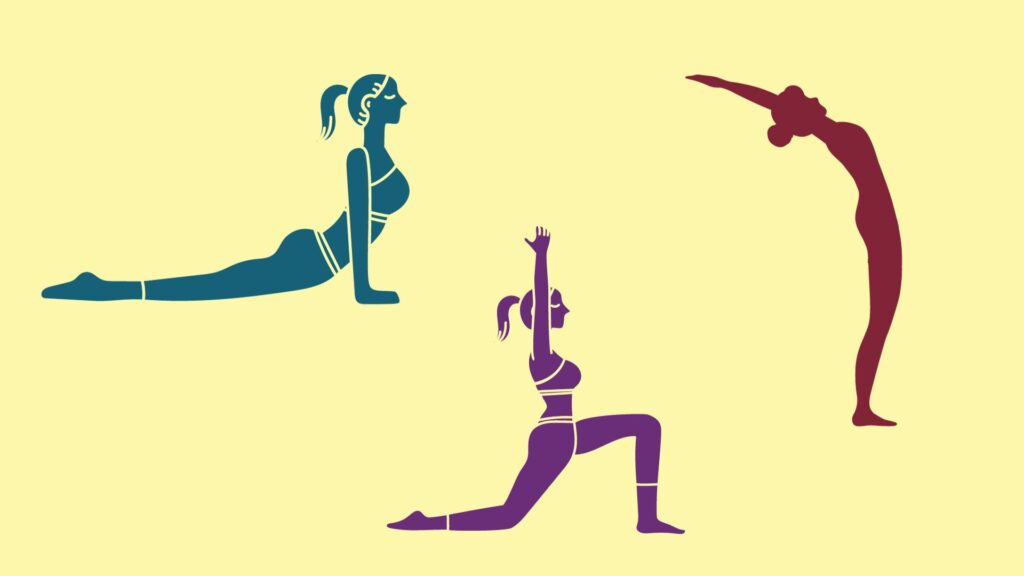
> ALSO TRY Triangle (Utthita Trikonasana) to build strength in the legs, open the side of the torso, and front of the chest and arms.
TO COUNTER: meaning to go the another direction so the body moves in both directions to maintain balance and equanimity.
> Forward bending, and flexion of the spine to release any tension or strain from focusing in one direction. (Balasana, Paschimottansana, Pawanmuktasana)
> Stay in Downward Facing Dog (Adho Mukha Svanasana) for 2 to 3 minutes. Stretch the back of the body, and let the neck and head release any excess tension. breathe evenly and enjoy being upside down and stable. Best if feet are together as a variation.

Keep it simple
I often feel Yoga to most seems complicated and difficult to figure out. Which seems silly given that Yoga is the best of simplicity. Oness. Union.
When you enjoy Yoga Asana as a practice, the goal is still the same. The method is Asana. It’s not about how long and how many but rather how present, and how unified you feel. Enjoy exploring Ustrasana as a bodily shape for inner peace.
When we can comfortably be in Ustrasana as a mudra for 1-3 minutes we are helping our ego-dissolving journey. Let’s enjoy asana as it was offered by the Himalayan masters – for self-healing, not self-attachment.
Let us remember that yoga is not about achieving the perfect pose or comparing ourselves to others. It is about embracing the journey and connecting with our true selves. As we continue to explore the depths of asana practice, may we approach it with a sense of self-compassion and gratitude, allowing it to be a transformative tool for self-healing and self-discovery.
Jai
WINTER 2024 YOGA TEACHER TRAINING SESSIONS ARE OPEN FOR ENROLLMENT
200 HR Ayurvedic Foundations ABQ
200 HR Ayurvedic Foundations Syracuse, Vyana Yoga
300 HR Ayurvedic Yoga Specialist Online + ABQ Hybrid
The post Ustrasana for December first appeared on Maria Garre.
The post Ustrasana for December appeared first on Maria Garre.
]]>The post Honoring the Guru first appeared on Maria Garre.
The post Honoring the Guru appeared first on Maria Garre.
]]>What is Guru Purnima?
It is one of the most auspicious Full Moons of the year which comes after the Summer Solstice. This full Moon is known as Guru Purnima, the moon which is dedicated to the Guru.
GURU – the one who brings wisdom to the confusion. The Guru is one that embodies light and is a steward of absolute truth.
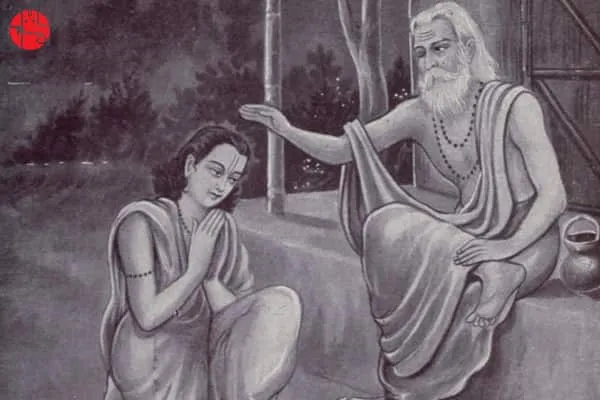
This bright full moon (one of the largest of the year) gives us the opportunity to pause and recognize the spiritual guide(s) that have brought light to our life path. The fullness of the moon in all of its splendor is a mirror to how we’ve filled our cups through the love and inspiration (inner and outer) that we receive from these guides.
In Vedic culture, honoring the Guru is a natural, common practice of showing reverence toward the teacher and the endless wisdom he/she offers. This seems to be a rarity in our modern culture. It is through their grace that we are guided toward inner wisdom, light, peace, and happiness. This day is a celebration between teacher and student.
Tradition holds that Guru Purnima is a day to offer our heartfelt gratitude to Sage Vyasa, Buddha (as on this Full Moon he delivered his first teaching at Sarnath), or Lord Shiva (the first teacher of Yoga). First and foremost on this day, we recognize a connection to an enlightened being that we have not met but are connected through their teaching/philosophy. For many practitioners of Yoga, it may be a connection to Patanjali, Vasistha, the Krishna of the Bhagavad Gita etc.
The next important Guru, are our parents for they serve as our first teachers, guides, and mentors. It’s a way of honoring our elders and their stewardship to support the next generations. We then also come to recognize a powerful teacher(s) that brought you closer to your inner light.
Guru Purnima is not about putting humans on a pedestal to worship and admire. For me, it’s a recognition of lineage. To what and to whom do I bow down in gratitude? The answer can evolve for you over time. And it is nice to check in yearly and connect to your spiritual path. This modern Guru brings a potent connection to Spirit. They help you get out of your way, and serve as a mirror to reflect back. They likely “push your buttons” and expand your Being like none other.
Think of this day as “Teacher’s Day” in the most blessed way. We don’t give the teacher a present per se but rather honor them through prayer, mantra, or simply spending time with them.
From sunrise to moonset on this day you bow, honor, and meditate to the spiritual teacher(s) that have illuminated your path. Today is also a day to recognize the Self as the greatest teacher of all. The Guru will ultimately bring you to the realization that we are all One and thus no separation exists. Thus, G(ee) U(you)R(are)U .. G U R U
WAYS TO CELEBRATE GURU PURNIMA
- Sit under the light of the Full Moon and chant the Mantra given to you by your guru. Or choose a mantra you resonate with deep into your heart.
- If you have an altar then clean that area, offer fresh flowers, and light a ghee lamp or candle in celebration.
- Spend time with those that have illuminated your heart.
- Spend time reading sacred Vedic texts such as: Upanishad, Bhagavad Gita or any other texts by Buddha etc.
- Chant the following mantra:
GURU MANTRA
Guru Brahma, Guru Vishnu, Guru Devo Maheshvaraha
Guru Śaksat, Para Brahma
Tasmai Shri Gurave Namaha
The post Honoring the Guru first appeared on Maria Garre.
The post Honoring the Guru appeared first on Maria Garre.
]]>The post Ayurveda + Summer first appeared on Maria Garre.
The post Ayurveda + Summer appeared first on Maria Garre.
]]>As the Sun strengthens, the tilt of the Earth brings us “closer” to this radiant energy so and it affects us ALL. Early mornings and longer evenings allow for more activity and perhaps less sleep. We naturally sleep a lot less in the Summer, and much to your surprise some can shift as much as one hour between Summer and Winter. The point is quality sleep, how much you need depends and will change and decrease during this solar time.
Pitta dosha is the expression of radiant energy within the body. As we move in and out of the Summer Solstice, the Earth is receiving the most sun and heat, and bringing the qualities that are sharp, hot, bright, intense, and penetrating. But it is also oily, and humid. Pitta spreads and heat spreads when mixed with water. The earth is slowly heating up, releasing moisture, clouds, and for some rain. Then we burn away the moisture and get a little hotter and drier. This is the general rhythm of Summer, depending on location.
“During the summer there is enhancement of katu (pungent) taste, the roughness and weakness in the body is severe”
Charaka Samhita Sutrashtana VI:6

During this time of year, Ayurveda recognizes that Pitta can easily accumulate and manifest as various imbalances. Ayurveda’s method is to recognize excess. When there can be too much of something and then create, generate and imbalance. No matter what your Prakruti, we must all be mindful of Pitta now. And if Pitta is part of your constitution, you need to work extra hard to not drive an imbalance.
SIGNS OF ELEVATED PITTA DOSHA IN THE BODY
- Excess or more sweating
- inability to control, and regulate body temperature
- heartburn
- acid reflux, hyperacidity
- Skin acne
- Rash
- Ulcers
- loose bowel movements or diarrhea
- hair falling
- putrid-smelling sweat or feet
Generally, a Pitta person is prone to a low tolerance for heat, hot Sun, or hard physical work. When out of balance emotionally, the sharp quality of Pitta can even arouse the mind toward aggression, irritability, anger, hatred, judgment, criticism, and jealousy.
In general, to balance Pitta, apply its opposite qualities to any given imbalance. For example, if a person has eaten chili peppers, tomatoes, and salty chips making creating hyperacidity and peptic ulcer we counterbalance with cooling foods (yogurt), remedies (fennel), and practices (sheetali pranayama) to bring ease back to mind and body.
“During the summer, the sun evaporates the moisture of the earth by its rays. In that season, the intake of sweet, cold, liquid, and unctuous diets and drinks are prescribed.
One should further avoid taking diets that are salty, sour, pungent, or hot. Physical exercise is a lot to be given up during this season.”
“During the summer, the sun evaporates the moisture of the earth by its rays. In that season, the intake of sweet, cold, liquid, unctuous diets and drinks are prescribed.
One should further avoid taking diets that are salty, sour, pungent, or hot. Physical exercise is a lot to be given up during this season.”
Charka Samhita Sutrashtana VI: 27-32.
Due to the strong properties of the sun and the body’s need to stay cool and release internal heat. Therefore Agni, our bodily fire, is pulled out to the extremities to keep the body cool. This, in turn, diminished our digestive capacity and it is why in the summer we are not as hungry and want to eat less. Ayurveda advises keeping our diet simple and easy to digest when it’s hot. No need to get ourselves all worked up, rev up our metabolism to digest fancy food. Keep cool, keep it simple. Eat for health.
Increase sweet, bitter, and astringent-tasting foods that are light in nature. Eat plenty of bitter salad greens such as lettuce, arugula, radicchio, basil, and endive are particularly Pitta balancing. Include cool drinks and raw foods in the diet, including cucumber, mango, and coconut water. Natural fruit juices without added sugar, mint teas, and raw berries are good choices.
SUMMER FOOD OPTIONS
FAVOR
- coconut water, watermelon,
- cilantro, leafy greens, okra, zucchini, asparagus, kale, broccoli
- olive oil, ghee
- cucumber, soaked/peeled almonds
- pomegranate, apples, cranberry, mint
- dill, fennel, cardamom, coriander, and saffron
AVOID / MINIMIZE
- tomatoes, eggplant, chili peppers, garlic, dry ginger
- black pepper, fermented foods, spicy foods
- sour fruits
- heavy protein and animal meats
- mustard oil, molasses, coffee.
As for alcohol beer is better than wine and hard alcohol and drink plenty of water to off–set the drying and heating nature of alcohol. Red wine is more heating than white wine. Also best to avoid daytime drinking and wait until the sun goes down.
EXERCISE LIGHTLY
To prevent excess Pitta from accumulating in the body, we should enjoy light exercise during the summer. This is not the season to overdo or overwork any form of vigorous exercise since that would overheat and aggravate Pitta. Therefore avoid long-distance running, spinning, endurance training, and other forms of exercise that overall heat the body. Longer recovery is needed along with stretching when there is intense activity.
Avoid exercising during the hottest time of the day between 11 am and 3 pm and favor early morning or sunset exercise.
YOGA
- Sheetali and sheetkari cooling and calming daily morning pranayama
- Utthita Trikonasana (downward gaze)
- Parighasana
- Dhanurasana
- Naukasana
- Ardha Matsendarasana
- Setu Bandhasana
PITTA SUPPORTS
In Ayurveda, aromas of essential oils and resins derived from plants can be used to pacify aggravated doshas (bioenergies). Having a rose water mister is a wonderful refresher for the face and body! The following essential oils are also recommended for Pitta season:
- sandalwood
- rose
- lavender,
- jasmine
- lotus
- gardenia
- khus
- vertivert
It is often wise to supplement our diets with one or more gentle and cooling herbs during Pitta season to maintain proper digestion, and elimination, and to prevent excessive accumulation of hot, light, and mobile energies. In addition, Pitta season can create conditions for inflammation and over-activity of certain metabolic processes and secretions.
SIMPLE LIFESTYLE RECOMMENDATIONS
Since the stomach, liver and skin are the principal seats of Pitta dosha, simple cleansing techniques aimed at these regions are commonly employed in the summer months.
- Upon awakening, drink room temperature water, scrape the tongue to check on digestion and get ready for morning yoga to release heat. Including Chandra Namaskar and cooling pranayama is a good start. The emphasis throughout your practice can be on surrendering, forgiving, relaxing, and being gentle with yourself – a cooling, grounding sadhana.
- Spend time outside in the cool, green forest. before 10 am and after 5 pm. Avoid being outdoors during the hottest times of the day.
- Morning meditation. Release excess heat post movement and take a few minutes to relax and focus your breath down behind your belly button. Relax behind the navel and breathe in and out here a few minutes.
- Evening cool down: rub coconut oil on the feet at bedtime. Brings calming energy to the whole body.
- Enjoy teas of rose, lemongrass, and mint to pacify the hot quality, improve digestion and calm the mind.
- Wear clothing of light texture and color. Excellent choices would be cotton, linen, and bamboo of white, blue, and green. Red and yellow shades tend to increase the fire that is already present.
Wishing you an amazing PItta-loving summer season.
Feeling out of balance? Schedule an Ayurvedic consultation and let’s work together to support your best health and your best life!
The post Ayurveda + Summer first appeared on Maria Garre.
The post Ayurveda + Summer appeared first on Maria Garre.
]]>The post PRAKRUTI first appeared on Maria Garre.
The post PRAKRUTI appeared first on Maria Garre.
]]>
Self-discovery through Ayurveda.
One of the many gifts of Ayurveda is that it helps us comprehend who we were MEANT to be, not WISH to be.
PRAKRUTI
A profound journey in self-transformation to acceptance and celebration.
When you begin from the start, then you bow down to the miracle of your body. This body is nothing without the light of the Soul. For it was the Soul that entered your womb to make the egg and sperm viable for life. A Divine gathering indeed.
The Soul brings the spark of life which drives the reproductive tissue to mold an earthen body. This is You, me, us. Five elements from subtle to gross comprise who we are. Life is a tripod of the mind, the body, and the Light of Life.
Ayurveda’s tri-dosha model offers a practical application and guide for us to live by honoring the teachings of life.
It is why Ayurveda’s approach to individualized medicine over the past 5,000-plus years is still at the forefront of BEST medicine practices for healing and wellness. You are unique and thereby your both medicine and lifestyle are also singular per individual.
PRAKRUTI – your ayurvedic constitutional as it is often translated to, simply is who you were meant to be. Understanding our Prakruti offers insight and lifelong exploration to maintain health and total well-being.
When you understand our body just a little better and how to support it, rather than fight it, the conversation shifts. Your mind finds clarity. There is an inner sense of home and inner knowing. At least that is how it has felt for me and many of the humans I am honored to support and teach the teachings.
Vata, Pitta and Kapha. They are the active principles of the Soul that manifest through your body and mind in different ways. From blood to energy, Ayurveda links the whole body through the tri-dosha model so you can see and understand your life. This is why the wise Sages left us this brilliant medicine. To serve and support the journey of life (Ayur).
READY TO EXPLORE AND GET TO YOU KNOW YOURSELF?
Dive deeper into the famous Dosha test and get to the core of who you truly are. I HIGHLY recommend you give these questions to a parent or parent-like person or your BFF to help evaluate and take the average of several scores.
DOWNLOAD MARIA’S DOSHA ASSESSMENT

The post PRAKRUTI first appeared on Maria Garre.
The post PRAKRUTI appeared first on Maria Garre.
]]>The post What is Ayurvedic Yoga? first appeared on Maria Garre.
The post What is Ayurvedic Yoga? appeared first on Maria Garre.
]]>
“This is the first class I have taken like this. Is it hard? Is it advanced?”
“What do we do in this class, exactly?”
I congratulate them on venturing and exploring the unknown. And tell them all will be OK.
Once we are all settled, I begin with a very brief description to ease the mind and calm the body. So, what is Ayurvedic Yoga anyway?
Maybe you have some understanding of what Yoga is and perhaps Ayurveda, but for most Ayurveda is a new term. Simply put, Ayurveda is the oldest system of medicine, and Yoga is a system of philosophy for mind and spirit. The two come together to offer you a therapeutic approach to Yoga. Ayurveda helps me decide what to teach and sequence for overall group wellness and Yoga gives me the practices to put together. Each class has a traditional lineage of Hatha Yoga offering pranayama, asana, and meditation guided by the principles of Ayurveda.
So that’s the short version.
The juicy history is that this is the way Yoga was intended all along. Adaptations and transformations have broken all the systems that were ONE into many. The perception is that they are all separate when true healing requires the entire book of wisdom (Rig Veda) not just parts of it.
Ayurveda and Yoga are disciplines rooted in the ancient Vedic culture of India, which is more than 5,000 years old. These two branches of Vedic knowledge come from a vast body of ancient wisdom first transmitted orally by the Rishis (seers or sages). Later it was written and documented into a collective of texts known as Vedas, the Rig Veda being the main one.
The Rishis were well-versed in Yoga, Ayurveda, Jyotish (Vedic astrology), and Vatsu Shastra (the science of architecture), all of which form part of a comprehensive and interconnected system of wellness, healing, and longevity. These systems were first documented in the Sanskrit language through the Rig Veda and the remaining three Vedas: Atharva, Sama, and Yajur. Collectively the “Vedas” are the foundation for all wisdom that is needed.

Ayurveda and Yoga are sister sciences, intimately connected in philosophy and application, essentially representing one side of the same coin. Both their philosophy and application are from the same source. Ayurveda teaches the art of living in harmony with nature by suggesting proper diet, lifestyle, and herbal protocols while also offering strong curative therapies. Yoga, in its various lineages, serves to unify or bring us back to our true Self, Being. Yogic practices are about balancing, restoring, and activating energy pathways to guide the mind toward stillness, and peace. Basically, if you don’t feel well, it’s hard to complete Yoga practices. So at the simplest level, Ayurveda keeps us healthy and strong enough to deepen our Yoga practice.
The individualization part was lost in translation as we moved these sciences West..Students perhaps gathered for discourse etc but practices and health care routines were always individualized. It was a common understanding that each person needed a unique way toward health and well-being. There wasn’t a formula to apply to all. The movement West created this model. And that helped the spread of these practices. They became more “universal” to serve many at once.
For me, Ayurvedic Yoga offers a way to teach a group class connected to these Vedic roots to offer a therapeutic approach to sequencing and focus. For individual therapy and lifestyle consultation, the integration puts all the pieces together for radiant longevity and well-being. Welcome to what always was and will be the path of ONE.
WANT TO LEARN MORE?
The post What is Ayurvedic Yoga? first appeared on Maria Garre.
The post What is Ayurvedic Yoga? appeared first on Maria Garre.
]]>